
"Brazilian coffee market"
3000 article(s) found

Brazilian Coffee Beans Brazilian Coffee Beans Why Cheap Brazilian Coffee Beans Flavor Profile
Professional coffee knowledge exchange More coffee bean information Please pay attention to Coffee Workshop (Weixin Official Accounts cafe_style) Qianjie-Brazil Coffee Introduction Brazil accounts for about one third of the world's average annual coffee production (so far the world's largest coffee producer and exporter) In 2015, Brazil produced 36.89 million bags of coffee (60kg each). Imagine how many cups this can make.

Brazilian coffee manor, Brazilian coffee flavor
Follow the caf é (Wechat official account vdailycom) found that Brazilian coffee opened a small shop of its own. The vast majority of Brazilian coffee is Arabica species, the main varieties are Burubon, Mdonabang, Kakala and La Ukeji secret species. Coffee has been cultivated in new places inland, thanks to natural benefits, and Panama became famous as a new coffee producer in Brazil after the war.

A brief introduction to the planting market price of Brazilian Hilado boutique coffee beans
Called Serrado (Serrado Coffee) is a high-quality brand in 2005, due to the certification of origin in the field of Serrado Coffee area designated the first right, in this area of production, coffee meets the standard, called Serrado, and claims it is recognized. Like wine, coffee producing areas only allow the successful acquisition of world-class coffee regions with limited quality identity, Serrado is now known as

A brief introduction to the planting Market Price of Brazilian Hilado Fine Coffee Bean varieties
Well, we reached it today. The Kaseru establishment, quality assurance has previously been neglected, based on the logistics bar code, commodity exports, can now balance the production history. In 2003, on the basis of the American (SCAA) Special Coffee Association and the conclusion, the coffee SCAA taste type will be promoted to expert agreement, and the exclusion of taste from previous evaluations is now key.

A wide variety of Brazilian fine coffee bean varieties grow market price profile
In addition, in planting, the balance of the whole environment, sprinkle herbicides, nourishing enough to sprinkle fertilizer nutrients of weeds dare to fill the land rich in humus of the harvest weeds production coffee trees will be reduced, while nature's careful operation, go in an earth-friendly and safe way. Therefore, small animals and earthworms are often seen on the ground, with unique characteristics of Serrado agricultural groups. also

A brief introduction to the planting Market Price of Brazilian Hillado Fine Coffee Bean
In addition, the quality, status and number of evaluation methods with a score of more than 75 points SCAA. All our coffee is delivered only those high-quality coffee beans. Serrado field environment in Serrado, in addition to the temperate climate, irrigation facilities enable enterprises to always maintain a stable production supply of quality. In addition, in planting, the balance of the whole environment, sprinkling herbicides and nourishing weeds sufficient to spread chemical fertilizer nutrients

Introduction of Brazilian Coffee Flavor description, Grinding scale treatment and Regional varieties
Brazilian Coffee Flavor description Grinding scale treatment Variety introduction the ancient bourbon coffee is grown in some estates in the Serrado district of Minas Greais state in southeastern Brazil. These estates, such as Capin Branco and Vista Allegre, also grow old varieties of bourbon coffee.
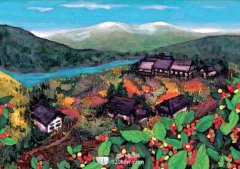
The origin of coffee beans introduces the common sense of Brazilian coffee beans
Brazilian coffee generally refers to coffee produced in Brazil. There is a wide variety of Brazilian coffee, the vast majority of which are unwashed and sun-dried, classified according to the name of the state of origin and the port of transport. Brazil has 21 states and 17 states produce coffee, but four of them produce the largest, accounting for 98% of the country's total output. Brazilian coffee has a low sour taste, which goes well with coffee.

Brazilian coffee flavor Brazilian coffee characteristics
Brazilian coffee generally refers to coffee produced in Brazil. There is a wide variety of Brazilian coffee, the vast majority of which are unwashed and sun-dried, classified according to the name of the state of origin and the port of transport. Brazil has 21 states and 17 states produce coffee, but four of them produce the largest, accounting for 98% of the country's total output. Brazilian coffee has a low sour taste, which goes well with coffee.

Brazilian coffee flavor Brazilian coffee characteristics
Brazilian coffee generally refers to coffee produced in Brazil. There is a wide variety of Brazilian coffee, the vast majority of which are unwashed and sun-dried, classified according to the name of the state of origin and the port of transport. Brazil has 21 states and 17 states produce coffee, but four of them produce the largest, accounting for 98% of the country's total output. Brazilian coffee has a low sour taste, which goes well with coffee.

Brazilian coffee flavor Brazilian coffee characteristics
Brazilian coffee generally refers to coffee produced in Brazil. There is a wide variety of Brazilian coffee, the vast majority of which are unwashed and sun-dried, classified according to the name of the state of origin and the port of transport. Brazil has 21 states and 17 states produce coffee, but four of them produce the largest, accounting for 98% of the country's total output. Brazilian coffee has a low sour taste, which goes well with coffee.
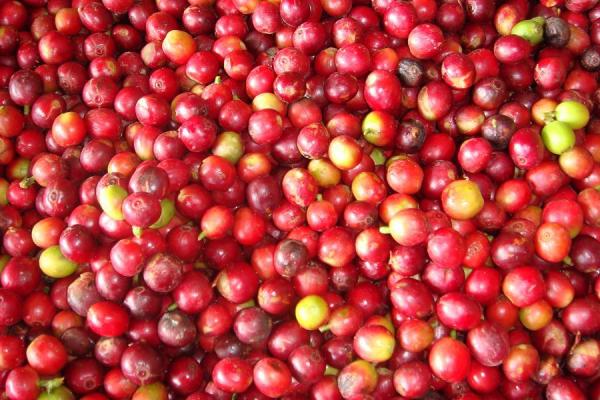
World boutique coffee beans: a detailed introduction to the classification of coffee beans in Brazil
Brazilian coffee generally refers to coffee produced in Brazil. There is a wide variety of Brazilian coffee, the vast majority of which are unwashed and sun-dried, classified according to the name of the state of origin and the port of transport. Brazil has 21 states and 17 states produce coffee, but four of them produce the largest, accounting for 98% of the country's total output. Brazilian coffee has a low sour taste, which goes well with coffee.

Description of Brazilian Coffee Flavor with extremely smooth entrance introduction of varieties with the characteristics of grinding degree
In terms of natural conditions, Brazil is in the tropics, with a tropical rain forest climate in the north, hot and humid all the year round, suitable for tropical crops, coffee trees are sunny crops, and sufficient sunlight is the condition for their growth. Historically, Brazil has been a Portuguese colony for a long time. In order to meet the needs of Western Europe, Brazilian coffee has been growing single crops for a long time and developing tropical plantations.

Introduction to boutique coffee beans in manor area with extremely smooth taste of Brazilian coffee
The largest coffee producer, which accounts for 1/3 of the world's coffee consumption, accounts for 1/3 of the world's coffee consumption and has a place in the global coffee market, although Brazil faces several times more natural disasters than other regions. but its acreage is enough to make up for it. There are many kinds of coffee here, but its industrial policy is large and cheap, so excellent coffee and

Introduction to the taste of fine coffee bean flavor manor in Brazilian coffee producing area with soft fragrance
The largest coffee producer, which accounts for 1/3 of the world's coffee consumption, accounts for 1/3 of the world's coffee consumption and has a place in the global coffee market, although Brazil faces several times more natural disasters than other regions. but its acreage is enough to make up for it. There are many kinds of coffee here, but its industrial policy is large and cheap, so excellent coffee and
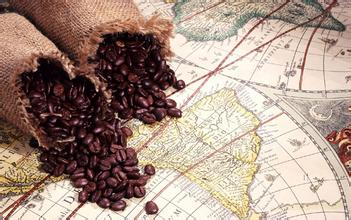
Boutique coffee beans-details of Brazilian coffee beans take you into the mysterious world of coffee
Brazilian coffee generally refers to coffee produced in Brazil. There is a wide variety of Brazilian coffee, the vast majority of which are unwashed and sun-dried, classified according to the name of the state of origin and the port of transport. Brazil has 21 states and 17 states produce coffee, but four of them produce the largest, accounting for 98% of the country's total output. Brazilian coffee has a low sour taste, which goes well with coffee.

Brazilian coffee flavor description Variety characteristics Fine coffee beans taste grinding degree Introduction
Old bourbon coffee is grown on estates in Cerrado district, Minas Greais state, in southeastern Brazil. These estates, such as Capin Branco Estate and Vista Allegre Estate, grow bourbon old-variety coffee that is also sold on the market. Although they come from the same region, these coffees are different.

The coffee producing area of Brazil.
Brazil is vividly compared to the giant and monarch of the coffee world. There are about 3.97 billion coffee trees there, and small farmers now grow 75% of the country's coffee. The number of coffee producers in Brazil is twice or even three times that of Colombia, the second largest coffee producer in the world. Coffee production in Brazil: Mi in southeastern Brazil

The main varieties, characteristics and taste of Brazilian coffee
Following caf é (Wechat official account vdailycom) found that Beautiful Cafe opened a small shop of its own when it comes to the origin of coffee, the first thing that comes to mind is Brazil in South America, because it is the largest coffee producer in the world. There is a wide variety of Brazilian coffee, the vast majority of which are unwashed and sun-dried, classified according to the name of the state of origin and the port of transport. Brazil has 2.

A brief Analysis of the advantages of growing Coffee in Brazil, the largest producer of Coffee
Professional coffee knowledge exchange more coffee bean information Please pay attention to the coffee workshop (Wechat official account cafe_style) Coffee is a tropical plant, the planting area is on the axis of the equator. It is planted between the Tropic of Cancer at about 25 degrees north and south latitudes. This area is also known as the "bean belt" or "coffee belt", tropical highlands or mountains at an altitude of 500-2500 meters.